Product Designer (UX/UI)
Product Designer (UX/UI)
Turning complex systems into seamless product experiences
Turning complex systems into seamless product experiences
(01 Work)
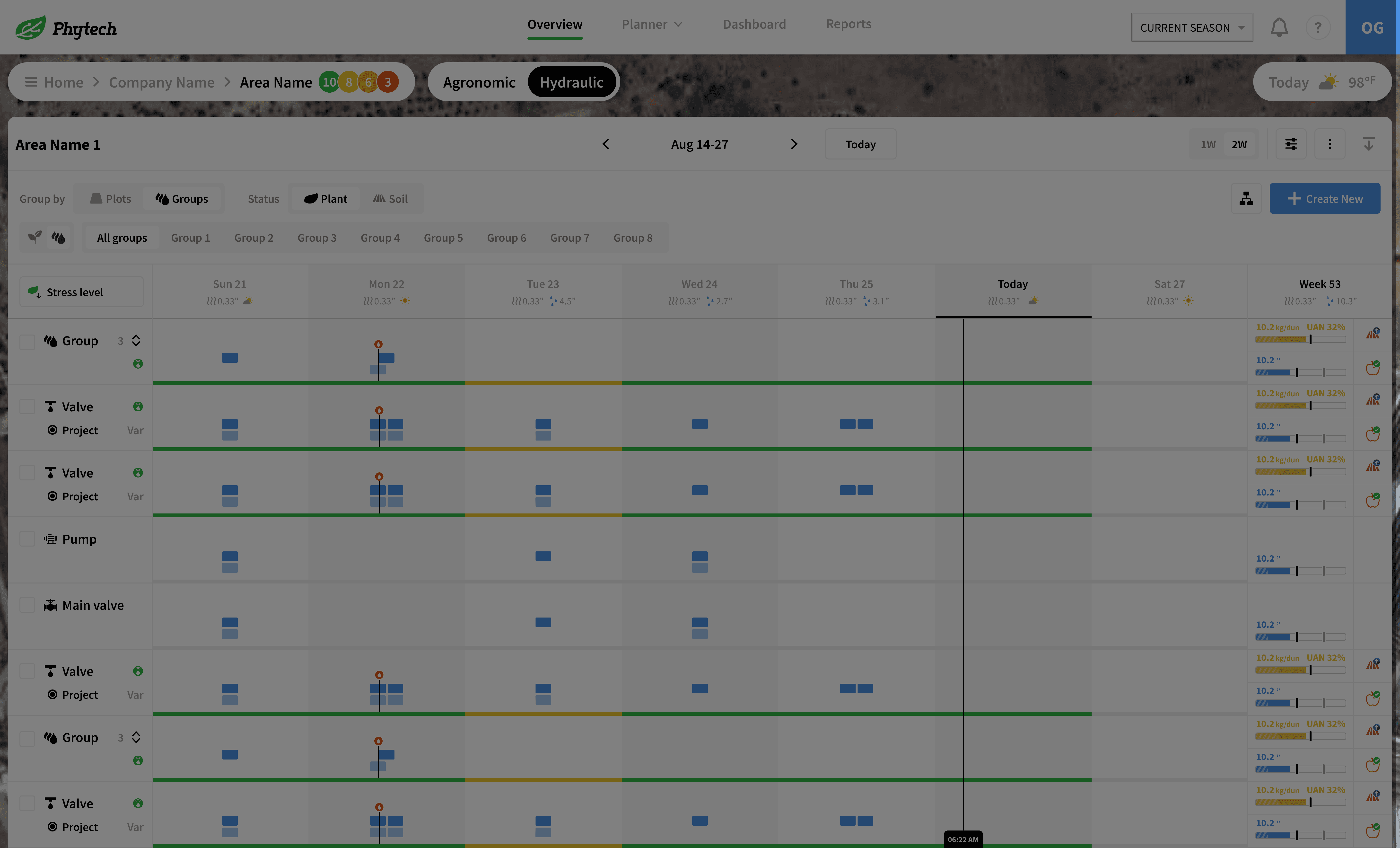
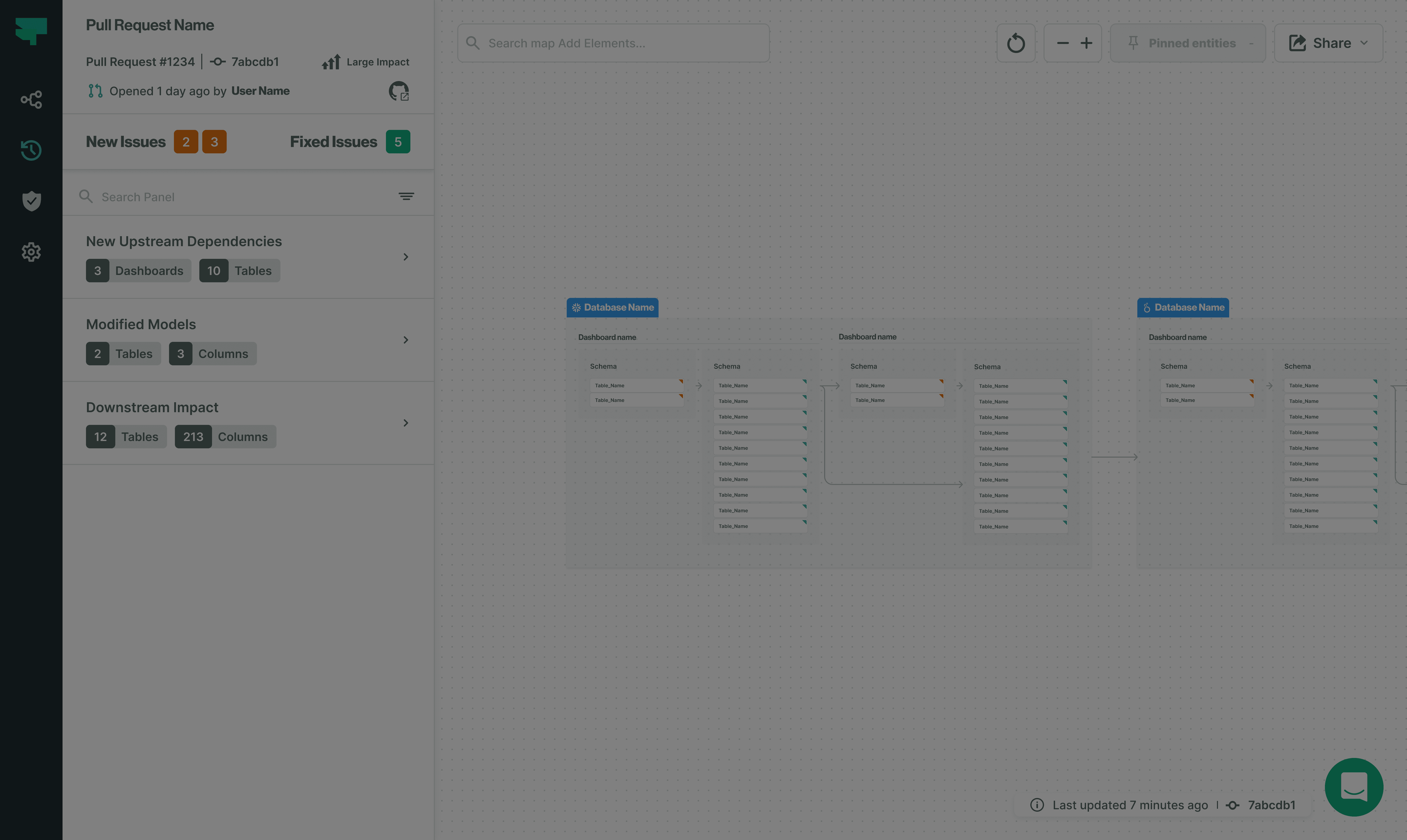
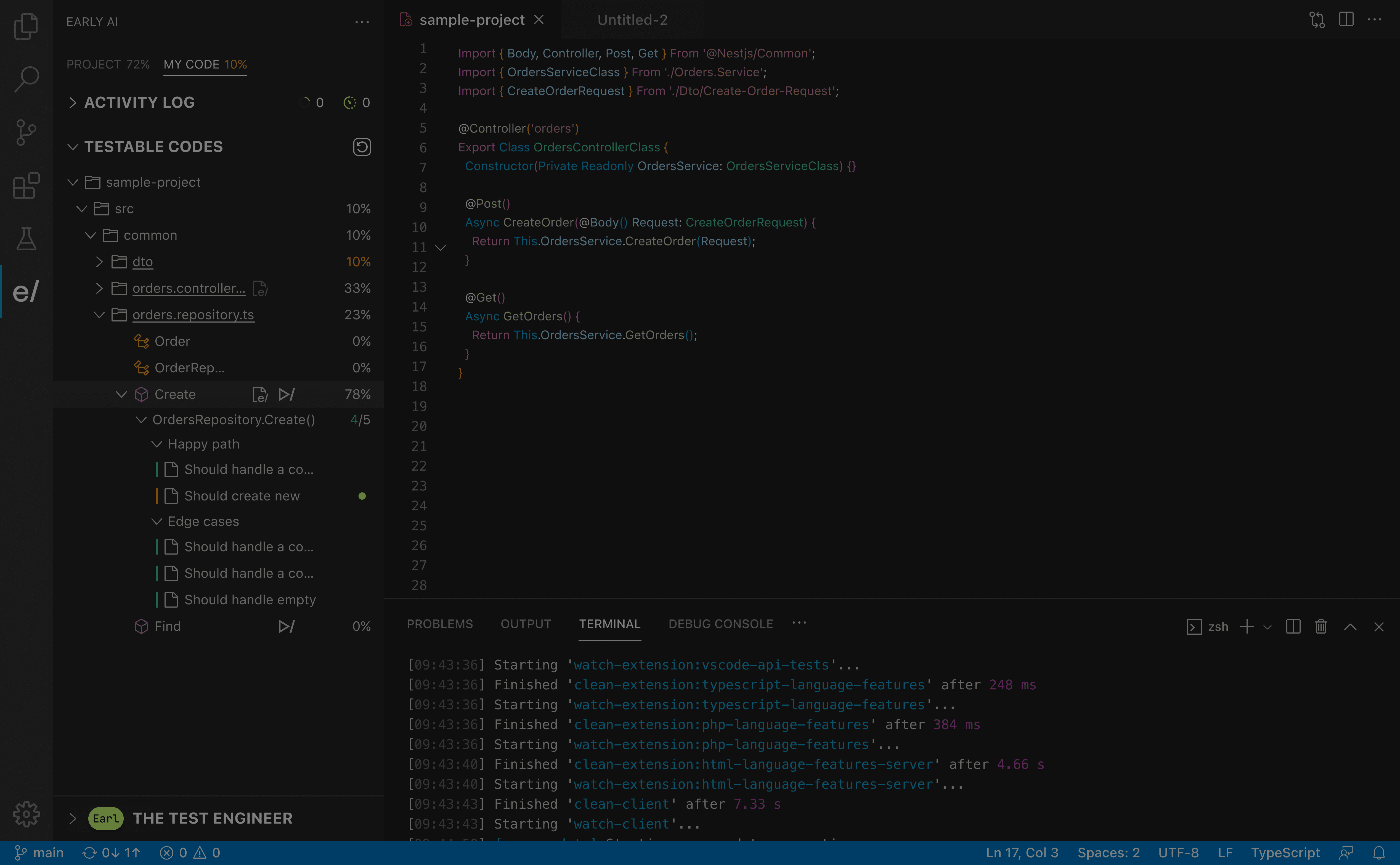
Featured projects
Featured projects


(02 Process)
My Work Process
My Work Process
1. Knowledge
I start every project by building a deep understanding of its ecosystem, the client, product, market, and end users. I focus on real user behaviors, business goals, and existing solutions to identify meaningful, day to day pain points. This foundation allows me to accurately frame the problem, ask better questions, and base design decisions on insight rather than assumptions.
1. Knowledge
I start every project by building a deep understanding of its ecosystem, the client, product, market, and end users. I focus on real user behaviors, business goals, and existing solutions to identify meaningful, day to day pain points. This foundation allows me to accurately frame the problem, ask better questions, and base design decisions on insight rather than assumptions.
1. Knowledge
I start every project by building a deep understanding of its ecosystem, the client, product, market, and end users. I focus on real user behaviors, business goals, and existing solutions to identify meaningful, day to day pain points. This foundation allows me to accurately frame the problem, ask better questions, and base design decisions on insight rather than assumptions.
2. Design
My design process is intentionally non-linear. It’s driven by continuous learning, iteration, and validation, with a constant focus on solving the right problem, not just producing a solution. As insights evolve, so does the design, allowing ideas to be tested, refined, and challenged until they meaningfully address the core need we defined.
2. Design
My design process is intentionally non-linear. It’s driven by continuous learning, iteration, and validation, with a constant focus on solving the right problem, not just producing a solution. As insights evolve, so does the design, allowing ideas to be tested, refined, and challenged until they meaningfully address the core need we defined.
2. Design
My design process is intentionally non-linear. It’s driven by continuous learning, iteration, and validation, with a constant focus on solving the right problem, not just producing a solution. As insights evolve, so does the design, allowing ideas to be tested, refined, and challenged until they meaningfully address the core need we defined.
3. Implementation
Once the direction is clear, I focus on tightening the details. I refine user flows, interactions, and edge cases to ensure the design is clear, consistent, and ready for development. The goal at this stage is to create a seamless handoff that enables engineering teams to build with confidence and minimal friction.
3. Implementation
Once the direction is clear, I focus on tightening the details. I refine user flows, interactions, and edge cases to ensure the design is clear, consistent, and ready for development. The goal at this stage is to create a seamless handoff that enables engineering teams to build with confidence and minimal friction.
3. Implementation
Once the direction is clear, I focus on tightening the details. I refine user flows, interactions, and edge cases to ensure the design is clear, consistent, and ready for development. The goal at this stage is to create a seamless handoff that enables engineering teams to build with confidence and minimal friction.
4. Design In Practice
Design doesn’t end at launch. Every solution remains open to evaluation once it’s live in the product. I revisit assumptions, observe real usage, and assess whether the design truly delivers the intended value. This ongoing feedback loop often leads to further refinement, or even better solutions, ensuring the product continues to evolve alongside its users.
4. Design In Practice
Design doesn’t end at launch. Every solution remains open to evaluation once it’s live in the product. I revisit assumptions, observe real usage, and assess whether the design truly delivers the intended value. This ongoing feedback loop often leads to further refinement, or even better solutions, ensuring the product continues to evolve alongside its users.
4. Design In Practice
Design doesn’t end at launch. Every solution remains open to evaluation once it’s live in the product. I revisit assumptions, observe real usage, and assess whether the design truly delivers the intended value. This ongoing feedback loop often leads to further refinement, or even better solutions, ensuring the product continues to evolve alongside its users.